Embarking on the journey of Passive vs active asset management, we delve into the realm of investment strategies to uncover the nuances that shape financial decisions and outcomes. As we navigate through the contrasting approaches of passive and active asset management, a deeper understanding emerges, shedding light on the dynamic nature of asset allocation and portfolio management.
Exploring the intricacies of asset management strategies, we unravel the significance of diversification and its impact on mitigating risks, while also delving into the customization potential for different risk profiles.
Passive vs Active Asset Management

Passive asset management involves investing in a portfolio that mirrors a specific market index, without frequent buying or selling of assets. This strategy aims to replicate the performance of the index and generally has lower management fees.Active asset management, on the other hand, involves a more hands-on approach where fund managers actively buy and sell assets in an attempt to outperform the market.
This strategy often comes with higher management fees due to the expertise and research involved in making investment decisions.
Performance Comparison
- Passive asset management is typically associated with lower fees compared to active asset management, as passive funds do not require as much research or trading activity.
- Studies have shown that over the long term, passive asset management tends to outperform active management due to lower costs and more consistent returns.
- Active asset management may have the potential to outperform in certain market conditions or with skilled fund managers, but consistent outperformance is difficult to achieve.
- Passive asset management provides diversification benefits and is more tax-efficient compared to active management.
Asset Management Strategies
Asset management strategies are crucial for optimizing investment portfolios and achieving financial goals. These strategies encompass a range of approaches that help investors allocate their assets effectively to maximize returns while managing risks.
Importance of Diversification
Diversification is a key principle in asset management strategies. By spreading investments across different asset classes, industries, and geographic regions, investors can reduce the overall risk in their portfolio. Diversification helps to minimize the impact of a decline in any single investment on the overall performance of the portfolio. It is essential for creating a well-balanced and resilient investment portfolio.
- Diversification helps to mitigate concentration risk by spreading investments across various sectors and asset classes.
- It can enhance the overall risk-adjusted return of the portfolio by reducing volatility.
- By diversifying, investors can capture opportunities in different market conditions and benefit from the performance of various assets.
Tailoring Strategies to Different Risk Profiles
Asset management strategies can be customized to suit the risk tolerance and investment objectives of individual investors. The level of risk an investor is willing to take on can vary based on factors such as age, financial goals, and investment timeline. Tailoring strategies to different risk profiles involves adjusting the asset allocation, diversification, and investment selection to align with the investor’s risk appetite.
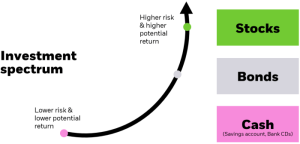
- Conservative investors may opt for a more defensive asset allocation with a higher proportion of fixed-income securities to minimize risk.
- Aggressive investors, on the other hand, may choose a more growth-oriented strategy with a higher allocation to equities to pursue higher returns, despite greater volatility.
- Moderate investors typically seek a balanced approach that combines elements of both conservative and aggressive strategies to achieve a mix of growth and stability.
Asset Allocation
Asset allocation is a crucial component of portfolio management that involves dividing investments among different asset classes to achieve the desired risk-return profile. By strategically allocating assets, investors can optimize their portfolios based on their financial goals, risk tolerance, and time horizon.
Principles of Strategic Asset Allocation
Strategic asset allocation is a long-term approach that involves setting target allocations for different asset classes based on the investor’s financial objectives. The key principles behind strategic asset allocation include:
- Diversification: Spreading investments across various asset classes to reduce risk and enhance returns.
- Risk Management: Balancing risk and return by allocating assets based on the investor’s risk tolerance.
- Long-Term Perspective: Focusing on achieving long-term financial goals rather than short-term market fluctuations.
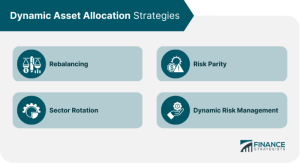
- Periodic Rebalancing: Adjusting the portfolio periodically to maintain target allocations and manage risk effectively.
Examples of Asset Allocation Models
There are several asset allocation models used in practice, each with its own unique approach to balancing investments. Some common examples include:
- Strategic Asset Allocation Model: Setting target allocations for different asset classes and maintaining them over the long term.
- Tactical Asset Allocation Model: Making short-term adjustments to capitalize on market opportunities or mitigate risks.
- Dynamic Asset Allocation Model: Adjusting asset allocations based on market conditions, economic outlook, or other factors.
- Core-Satellite Asset Allocation Model: Combining a diversified core portfolio with satellite investments focused on specific opportunities or strategies.
In conclusion, the discourse on Passive vs active asset management paints a vivid picture of the evolving landscape of investment practices. By weighing the performance metrics, strategies, and allocation models, investors can make informed decisions to navigate the complex terrain of financial markets with confidence and foresight.
Key Questions Answered
What are the main differences between passive and active asset management?
Passive asset management involves tracking a market index, while active asset management aims to outperform the market through strategic buying and selling.
How does diversification play a role in asset management strategies?
Diversification helps spread risk by investing in a variety of assets, reducing the impact of poor performance in any single investment.
Why is asset allocation important in portfolio management?
Asset allocation determines the mix of investments in a portfolio based on risk tolerance and investment goals, crucial for achieving desired returns.