In a world where digital assets play a crucial role, digital asset management platforms emerge as the key to efficient organization and enhanced productivity. This overview delves into the realm of managing digital assets, shedding light on the benefits and challenges businesses face in this digital age.
Exploring the functions, implementation, and integration of these platforms opens up a world of possibilities for businesses seeking to optimize their asset management strategies.
Overview of Digital Asset Management Platforms
Digital asset management platforms are software solutions that help organizations store, organize, retrieve, and distribute digital assets such as images, videos, documents, and more. These platforms provide a centralized hub for managing digital content efficiently.
Key Features and Benefits of Using Digital Asset Management Platforms
- Centralized Storage: Digital asset management platforms offer a secure and centralized repository for all digital assets, ensuring easy access and organization.
- Search and Retrieval: Users can quickly search for specific assets using metadata tags, s, or other search criteria, saving time and improving workflow efficiency.
- Version Control: These platforms allow users to track changes made to assets, maintain version histories, and collaborate seamlessly on projects.
- Brand Consistency: By providing access to approved brand assets and templates, digital asset management platforms help maintain brand consistency across all marketing materials.
- Asset Security: Robust security features protect digital assets from unauthorized access, ensuring data integrity and compliance with regulations.
Importance of Digital Asset Management in Modern Businesses
Effective digital asset management is essential for businesses in the digital age to streamline workflows, enhance collaboration, and maintain brand integrity. It helps reduce time spent searching for assets, minimizes duplication of efforts, and ensures that the right content is used in the right context.
Industries Relying Heavily on Digital Asset Management Platforms
- Marketing and Advertising: Marketing agencies and brands use digital asset management platforms to organize and share promotional materials, campaign assets, and brand collateral.
- Publishing: Publishing houses leverage these platforms to manage vast libraries of digital content, including books, articles, and multimedia assets.
- Retail and E-commerce: Retailers use digital asset management platforms to store product images, descriptions, and promotional videos for online sales and marketing purposes.
- Entertainment and Media: Media companies rely on these platforms to catalog and distribute large volumes of digital media assets, such as music, movies, and TV shows.
Functions and Capabilities of Digital Asset Management Platforms
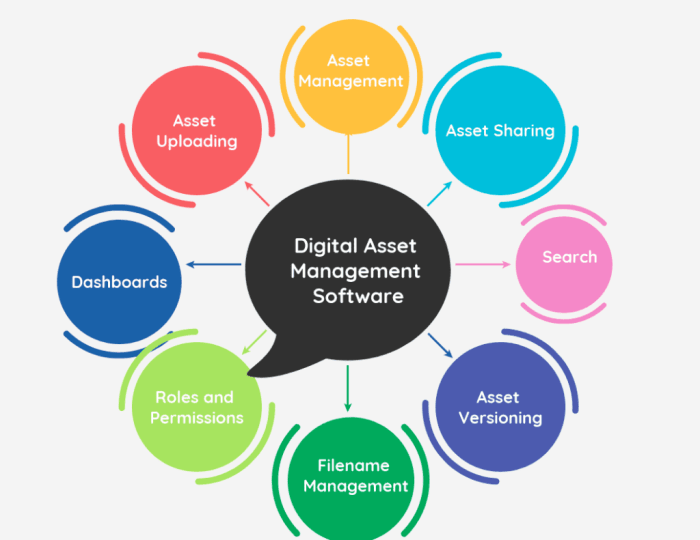
Digital asset management platforms offer a wide range of functions and capabilities that cater to the needs of organizations in managing their digital assets effectively. These platforms not only help in storing and organizing digital files but also streamline workflows and enhance productivity through various features. Let’s delve into the details of the functions and capabilities of digital asset management platforms.
Asset Storage and Organization
- Centralized storage of digital assets in a secure and easily accessible manner.
- Ability to organize assets into folders, categories, and metadata tags for efficient retrieval.
- Version control to track changes and updates made to assets over time.
Collaboration and Sharing
- Facilitate collaboration among team members by providing access controls and permissions.
- Enable seamless sharing of assets both internally and externally with stakeholders.
- Track and monitor asset usage to ensure compliance and security.
Workflow Automation
- Automate repetitive tasks such as file conversions, approvals, and publishing processes.
- Set up workflows to streamline content creation, review, and distribution processes.
- Integration with other tools and platforms to enhance efficiency and connectivity.
Metadata Tagging and Search Functionalities
- Assign metadata tags to assets for easy categorization and searchability.
- Utilize advanced search capabilities to locate specific assets based on s, tags, or other criteria.
- Enhance asset discoverability and organization through robust metadata management.
Implementation and Integration of Digital Asset Management Platforms
Implementing a digital asset management platform in an organization involves several key steps to ensure a smooth transition and successful utilization of the system.
Process of Implementing a Digital Asset Management Platform
- Assess the organization’s needs and goals for implementing a DAM platform.
- Choose the right DAM solution that aligns with the organization’s requirements.
- Define metadata standards and organize existing digital assets for migration.
- Train employees on how to use the DAM platform effectively.
- Implement a phased approach to migration to minimize disruptions.
Challenges and Best Practices for Integration
- Challenges: Resistance to change, lack of user adoption, integration with existing systems.
- Best practices: Secure executive sponsorship, involve end-users in the selection process, provide ongoing training and support.
Tips for Successful Adoption and Utilization
- Communicate the benefits of the DAM platform to all stakeholders.
- Establish clear guidelines for asset organization and usage.
- Encourage collaboration and feedback from users to improve system usability.
Role of Training and Support
- Training: Provide comprehensive training sessions for all users to ensure they understand how to use the DAM platform effectively.
- Support: Offer ongoing technical support and assistance to address any issues or questions that may arise during the transition to the new system.
Asset Management vs. Asset Allocation
Asset management and asset allocation are two crucial concepts in the world of finance and investment. While they may sound similar, they serve distinct purposes and play different roles in optimizing investment strategies.Asset management primarily focuses on overseeing and maximizing returns on investments. It involves making decisions on buying, holding, and selling various assets to achieve the best possible outcomes for investors.
Asset managers aim to grow the value of the assets under their management while mitigating risks and ensuring liquidity.On the other hand, asset allocation involves strategically diversifying investments across different asset classes to reduce risk and optimize returns. It entails determining the ideal mix of assets such as stocks, bonds, real estate, and cash equivalents based on the investor’s risk tolerance, financial goals, and time horizon.
Strategic Importance of Asset Allocation in Portfolio Diversification
Asset allocation is a critical component of portfolio diversification as it helps spread risk across different types of investments. By allocating assets strategically, investors can minimize the impact of market fluctuations on their overall portfolio and enhance their chances of achieving long-term financial objectives.
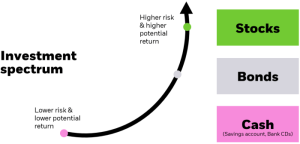
- Stocks: Equities represent ownership in a company and offer the potential for high returns but come with higher risk.
- Bonds: Fixed-income securities provide regular interest payments and are considered less risky than stocks.
- Real Estate: Investing in properties can offer diversification and potential income through rental yields and property appreciation.
- Cash Equivalents: These include short-term investments like money market funds and treasury bills, providing stability and liquidity to a portfolio.
Asset management and asset allocation work hand in hand to optimize investment performance and achieve financial goals. By understanding the differences between the two concepts and implementing effective strategies, investors can build well-balanced portfolios that align with their risk tolerance and objectives.
As we conclude our discussion on digital asset management platforms, it becomes evident that embracing these tools is essential for modern businesses looking to stay competitive and organized in a digital landscape. The future of asset management lies in the seamless integration of technology and strategy, paving the way for enhanced efficiency and growth.
FAQs
What are the key features of digital asset management platforms?
Digital asset management platforms offer centralized storage, efficient metadata tagging, easy search functionalities, and collaborative capabilities.
How do digital asset management platforms enhance productivity?
By streamlining workflows, improving asset organization through metadata tagging, and facilitating easy access to digital assets, these platforms boost productivity significantly.
What industries heavily rely on digital asset management platforms?
Industries such as marketing, advertising, media, and e-commerce heavily rely on digital asset management platforms to manage their vast libraries of digital content efficiently.
What is the role of training and support in adopting digital asset management platforms?
Training and support play a crucial role in ensuring a smooth transition to digital asset management platforms, helping users understand the tools and maximize their benefits.
How do asset management and asset allocation differ?
Asset management focuses on maximizing returns on investments, while asset allocation involves strategic diversification of assets to optimize portfolio performance.