Embark on a journey through the realm of hedge fund asset management, where strategic decisions shape the success of funds and investors alike. Explore the intricate balance between risk management, asset allocation, and effective strategies that drive optimal outcomes in this dynamic financial landscape.
Introduction to Hedge Fund Asset Management
Hedge fund asset management involves the strategic planning and execution of investment decisions within a hedge fund to maximize returns while managing risks.
Role of Asset Management in Hedge Funds
Asset management plays a crucial role in hedge funds by actively managing the portfolio of assets to achieve the fund’s investment objectives and target returns.
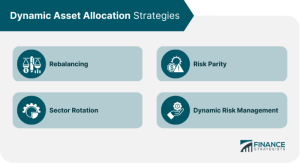
- Asset allocation: Determining the optimal mix of assets to achieve diversification and risk management.
- Risk management: Identifying and mitigating risks to protect the fund’s capital and enhance performance.
- Portfolio rebalancing: Adjusting the portfolio to maintain alignment with the fund’s investment strategy.
Importance of Effective Asset Management for Hedge Funds
Effective asset management is essential for hedge funds to achieve long-term success and deliver value to investors.
- Maximizing returns: By making informed investment decisions and actively managing the portfolio, hedge funds can optimize returns.
- Managing risks: Asset management helps hedge funds to identify and mitigate risks effectively, preserving capital and minimizing losses.
- Enhancing performance: Through strategic asset management, hedge funds can improve performance and outperform market benchmarks.
Strategies in Hedge Fund Asset Management
When it comes to hedge fund asset management, various strategies are utilized to maximize returns and manage risk effectively. One of the key decisions in asset management is choosing between active and passive strategies.
Active vs. Passive Asset Management Strategies
Active asset management involves frequent buying and selling of assets in an attempt to outperform the market. This strategy requires in-depth research, analysis, and decision-making by fund managers. On the other hand, passive asset management involves tracking a specific market index or benchmark without frequent trading. This strategy aims to replicate the performance of the market rather than beat it.
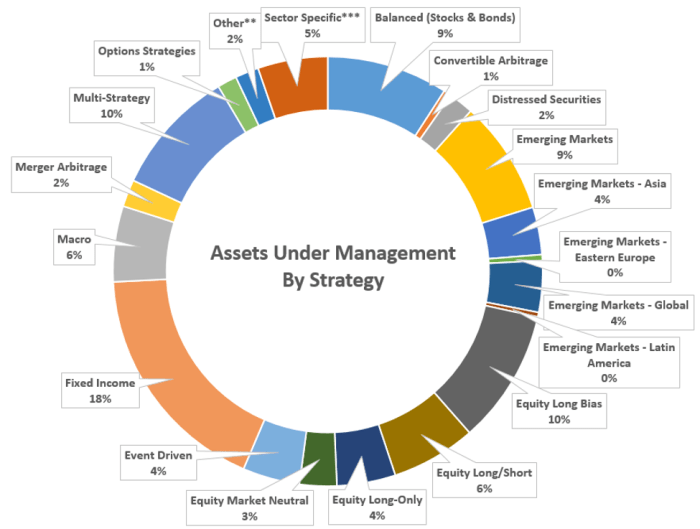
- Active Asset Management: Examples of successful active asset management strategies in hedge funds include event-driven strategies, long/short equity strategies, and global macro strategies. Event-driven strategies capitalize on specific events like mergers, acquisitions, or bankruptcies to generate returns. Long/short equity strategies involve simultaneously buying undervalued stocks and short-selling overvalued stocks. Global macro strategies focus on macroeconomic trends and geopolitical events to make investment decisions.
- Passive Asset Management: Passive strategies like index funds or exchange-traded funds (ETFs) aim to match the performance of a benchmark index, such as the S&P 500. These strategies are popular among investors looking for low-cost, diversified exposure to the market.
Risk Management in Hedge Fund Asset Management
Risk management plays a crucial role in hedge fund asset management as it helps to protect the fund from potential losses and preserve capital. By identifying, assessing, and mitigating risks, hedge fund asset managers aim to achieve consistent returns for their investors while minimizing volatility.
Common Risk Management Techniques
- Diversification: Hedge fund asset managers often spread investments across different asset classes, industries, and regions to reduce overall portfolio risk.
- Stop-loss Orders: Setting predetermined price levels at which assets will be sold can help limit losses in case of adverse market movements.
- Hedging: Using derivatives or other instruments to offset potential losses in the main investment positions.
- Risk Measurement Models: Utilizing quantitative models to assess and monitor various types of risks, such as market risk, credit risk, and liquidity risk.
- Scenario Analysis: Simulating different market scenarios to evaluate the impact on the portfolio and adjust strategies accordingly.
Impact on Fund Performance
Effective risk management can lead to enhanced fund performance by reducing downside risk and improving risk-adjusted returns. By implementing robust risk management practices, hedge fund asset managers can potentially attract more investors and build a reputation for stability and consistency in delivering returns.
Asset Allocation in Hedge Fund Management
Asset allocation is a crucial aspect of hedge fund management that involves distributing investments across different asset classes to achieve the desired risk-return profile. It plays a significant role in determining the overall performance and risk exposure of a hedge fund.
Process of Asset Allocation within a Hedge Fund
Asset allocation within a hedge fund typically involves the following steps:
- Assessing the investor’s risk tolerance, investment goals, and time horizon.
- Identifying suitable asset classes based on these factors, such as equities, fixed income, commodities, and derivatives.
- Determining the optimal allocation mix to achieve the desired balance between risk and return.
- Regularly monitoring and rebalancing the portfolio to adapt to changing market conditions.
Impact of Asset Allocation Strategies on Fund Performance and Risk
Effective asset allocation strategies can have a significant impact on a hedge fund’s performance and risk profile. By diversifying investments across different asset classes, hedge funds can reduce overall risk exposure and enhance potential returns. Additionally, strategic asset allocation can help hedge funds capitalize on market opportunities and mitigate potential losses during market downturns.
As we conclude our exploration of hedge fund asset management, it becomes evident that the interplay of sound strategies, risk mitigation, and astute asset allocation is paramount in achieving sustainable growth and financial success in the competitive world of hedge funds.
Questions and Answers
What is the primary goal of asset management in hedge funds?
The main objective of asset management in hedge funds is to optimize fund performance by strategically allocating assets to generate maximum returns while managing risks effectively.
How do active and passive asset management strategies differ in hedge funds?
Active asset management involves frequent trading and seeks to outperform the market, while passive management aims to replicate market performance by minimizing trading activity.
Why is asset allocation crucial in hedge fund management?
Asset allocation plays a vital role in hedge fund management as it determines the distribution of investments across various asset classes to achieve the desired risk-return profile.