Real-time asset management tracking tools set the stage for this enthralling narrative, offering readers a glimpse into a story that is rich in detail and brimming with originality from the outset. As businesses strive for greater efficiency and cost-effectiveness in managing their assets, these tools emerge as indispensable allies.
In the following paragraphs, we delve deeper into the benefits, features, and implementation strategies of real-time asset management tracking tools, providing a comprehensive guide for businesses looking to optimize their asset management processes.
Introduction to Real-time Asset Management Tracking Tools
Real-time asset management tracking tools refer to software or systems that allow businesses to monitor and manage their assets in real-time. These tools provide up-to-the-minute information on the location, status, and condition of assets, enabling organizations to make informed decisions quickly.Real-time tracking in asset management is crucial for optimizing efficiency, reducing costs, and improving overall productivity. By having instant access to accurate data about their assets, companies can prevent loss, theft, or misplacement of valuable equipment.
This level of visibility also helps in scheduling maintenance tasks, identifying underutilized assets, and streamlining operations.Compared to traditional asset management methods that rely on manual data entry or periodic audits, real-time tracking tools offer continuous monitoring and updates. This real-time data ensures that businesses have a more accurate and timely understanding of their asset inventory, leading to better decision-making and resource allocation.
Differences Between Real-time Tracking and Traditional Methods
Real-time tracking tools provide instant updates on asset location and status, while traditional methods may involve manual data entry and periodic audits.Real-time tracking allows for proactive asset management based on current information, whereas traditional methods may lead to reactive decision-making.Real-time tracking tools offer greater visibility and control over asset utilization and maintenance, compared to traditional methods that may result in inefficiencies or oversights.
Benefits of Real-time Asset Management Tracking Tools
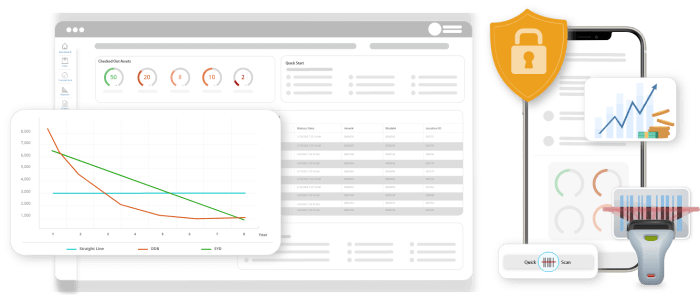
Real-time asset management tracking tools offer a wide range of advantages for businesses looking to optimize their operations and improve efficiency. These tools provide real-time visibility into the location, status, and condition of assets, allowing organizations to make informed decisions quickly and effectively. Let’s explore some of the key benefits of using real-time tracking tools:
Improved Asset Utilization
Real-time asset management tracking tools help organizations maximize the utilization of their assets by allowing them to track the location and availability of assets in real-time. This ensures that assets are used efficiently and effectively, reducing the risk of underutilization or overutilization.
Enhanced Inventory Management
Industries such as retail, manufacturing, and logistics benefit greatly from real-time asset tracking tools as they help in managing inventory more effectively. By monitoring the movement of assets in real-time, businesses can optimize their inventory levels, reduce stockouts, and minimize excess inventory holding costs.
Increased Productivity and Efficiency
Real-time asset management tracking tools streamline processes and workflows, leading to increased productivity and efficiency. By automating asset tracking and monitoring, organizations can eliminate manual errors, reduce downtime, and improve overall operational efficiency.
Cost Savings
By providing real-time visibility into asset location and status, tracking tools help businesses reduce costs associated with asset loss, theft, or misplacement. Additionally, improved asset utilization and inventory management lead to cost savings through optimized resource allocation and reduced waste.
Compliance and Security
Industries such as healthcare, finance, and government sectors benefit from real-time asset tracking tools to ensure compliance with regulations and enhance security measures. By tracking assets in real-time, organizations can maintain accurate records, prevent unauthorized access, and mitigate security risks.Overall, real-time asset management tracking tools play a crucial role in improving operational efficiency, reducing costs, enhancing productivity, and ensuring compliance across various industries.
Features and Functionality of Real-time Asset Management Tracking Tools
Real-time asset management tracking tools offer a range of key features that make them highly effective in monitoring assets efficiently and accurately. These tools provide real-time visibility into asset location, status, and utilization, enabling organizations to optimize their asset management processes.
Real-time Monitoring
- Track assets in real-time, allowing for immediate updates on their location and status.
- Receive alerts and notifications for any deviations from predefined parameters, helping in proactive asset management.
Inventory Management
- Manage asset inventory effectively by tracking quantities, usage, and replenishment needs in real-time.
- Streamline inventory processes and reduce manual errors with automated tracking and updating capabilities.
Integration Capabilities
- Real-time tracking tools can integrate seamlessly with existing systems such as ERP, CMMS, or IoT platforms.
- Enable data sharing and synchronization across different systems for a comprehensive view of asset information.
Implementation and Integration of Real-time Asset Management Tracking Tools
Implementing and integrating real-time asset management tracking tools into an organization can be a complex process that requires careful planning and execution. It involves several steps to ensure a successful implementation and seamless integration with existing systems.
Steps involved in implementing real-time tracking tools in an organization
- Assess current asset management processes and identify areas that can benefit from real-time tracking.
- Choose the right tracking tool that aligns with the organization’s needs and objectives.
- Develop a detailed implementation plan outlining goals, timelines, and key stakeholders.
- Train employees on how to use the tracking tool effectively and efficiently.
- Test the tracking tool in a controlled environment before full deployment.
- Monitor and evaluate the tool’s performance post-implementation to make necessary adjustments.
Challenges faced during integration and how to overcome them
- Resistance to change from employees who are accustomed to traditional asset management methods. To overcome this, provide training and emphasize the benefits of real-time tracking.
- Data migration issues when transferring existing asset information to the new tracking system. Address this by ensuring data accuracy and conducting thorough testing.
- Integration with other systems and software used within the organization. Collaborate with IT experts to ensure seamless integration and data flow between systems.
Best practices for a successful implementation of real-time tracking tools
- Define clear objectives and goals for implementing the tracking tool to ensure alignment with organizational needs.
- Involve key stakeholders from different departments in the planning and implementation process to gain buy-in and support.
- Regularly communicate with employees about the benefits of real-time tracking and provide ongoing training and support.
- Monitor and evaluate the tool’s performance continuously to identify areas for improvement and optimization.
Asset Management vs. Asset Allocation
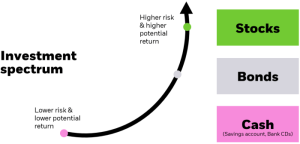
Asset management and asset allocation are both crucial components of financial planning, each serving distinct purposes in optimizing investment strategies. Asset management refers to the process of overseeing a portfolio of assets to achieve specific financial goals, such as maximizing returns while minimizing risks. On the other hand, asset allocation involves deciding how to distribute investments across different asset classes, such as stocks, bonds, and cash equivalents, to achieve a desired risk-return profile.
Importance of Asset Management and Asset Allocation
Effective asset management is essential for ensuring that investments are actively monitored, adjusted, and optimized to align with changing market conditions and investment objectives. It involves making informed decisions based on thorough analysis and research to enhance portfolio performance while mitigating risks.
Asset allocation, on the other hand, plays a critical role in diversifying investments to reduce overall portfolio risk and enhance returns by balancing exposure to different asset classes. By strategically allocating assets based on risk tolerance, investment goals, and market conditions, investors can create a well-rounded portfolio that aligns with their financial objectives.
Role of Real-time Tracking Tools
- Real-time asset management tracking tools provide investors with up-to-date insights into the performance of their investments, allowing for timely decision-making and adjustments to optimize portfolio returns.
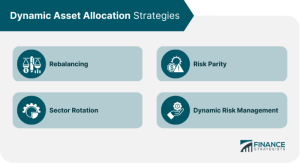
- These tools enable investors to track asset allocation across different asset classes, identify potential areas for rebalancing, and monitor changes in market conditions to make informed investment decisions.
- By leveraging real-time data and analytics, investors can enhance their asset management and asset allocation strategies, ensuring that their portfolios remain aligned with their financial goals and risk tolerance levels.
In conclusion, real-time asset management tracking tools not only revolutionize asset monitoring but also pave the way for enhanced operational efficiency and financial savings. By embracing these tools, businesses can stay ahead of the curve in a dynamic market landscape.
Answers to Common Questions
How do real-time asset management tracking tools enhance operational efficiency?
These tools provide instant insights into asset location, status, and utilization, enabling businesses to make informed decisions swiftly.
Which industries benefit the most from real-time asset management tracking tools?
Industries such as logistics, manufacturing, and healthcare benefit significantly from the real-time monitoring and optimization capabilities of these tools.
What are the key challenges faced during the integration of real-time asset management tracking tools?
Common challenges include data compatibility issues, resistance to change from employees, and the need for extensive training on using the new tools.