Embark on a journey into the realm of online asset management platforms, where efficiency meets innovation. Discover how these platforms revolutionize the way you manage your investments with ease and precision.
Explore the multitude of benefits and features that online asset management platforms offer, empowering you to take control of your financial future effortlessly.
Introduction to Online Asset Management Platforms
Online asset management platforms are digital tools that allow individuals and businesses to monitor, track, and manage their assets efficiently. These platforms provide a centralized location where users can view all their assets, such as investments, real estate, savings, and more, in one place.
Benefits of Using Online Asset Management Platforms
- Convenience: Users can access their asset information anytime, anywhere, as long as they have an internet connection.
- Organization: Centralized platform helps users keep track of all their assets in one place, reducing the risk of overlooking important details.
- Efficiency: Automation features streamline processes like asset allocation, rebalancing, and performance tracking.
- Security: Platforms often have robust security measures in place to protect sensitive asset information.
Key Features of Online Asset Management Platforms
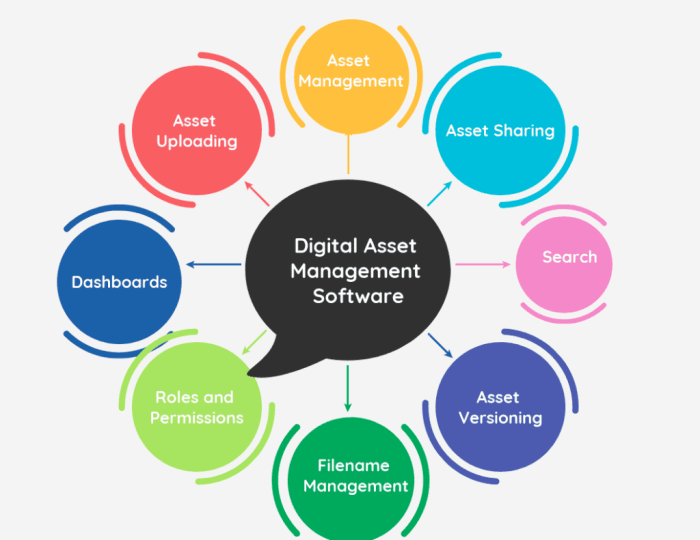
- Portfolio Tracking: Allows users to monitor the performance of their investments and assets in real-time.
- Financial Goal Setting: Helps users set and track financial goals, such as retirement planning or saving for a specific milestone.
- Asset Allocation Tools: Provides recommendations for diversifying assets to optimize returns and reduce risk.
- Reporting and Analytics: Generates detailed reports and analysis to help users make informed decisions about their assets.
Examples of Popular Online Asset Management Platforms
- 1. Personal Capital: Known for its comprehensive financial tools and investment tracking features.
- 2. Wealthfront: Offers automated investment management services and financial planning tools.
- 3. Betterment: Focuses on goal-based investing and personalized portfolio recommendations.
- 4. Mint: Primarily a budgeting tool, but also provides asset tracking and investment monitoring capabilities.
Asset Management vs. Asset Allocation
When it comes to financial planning and investment strategies, asset management and asset allocation are key components that help individuals and organizations achieve their financial goals. While they are interconnected, they serve different purposes and require distinct approaches.
Asset Management
Asset management involves the oversight and maintenance of an individual’s or entity’s investments to ensure optimal performance and growth. Professionals in asset management focus on making strategic decisions regarding the buying, holding, and selling of assets to maximize returns while managing risks effectively.
- Asset managers work closely with clients to understand their financial objectives, risk tolerance, and time horizon to create tailored investment strategies.
- They monitor the performance of investments regularly, making adjustments as needed to adapt to changing market conditions and client needs.
- Asset management also includes asset diversification to spread risk across different asset classes and sectors, reducing the impact of market fluctuations on the overall portfolio.
Asset Allocation
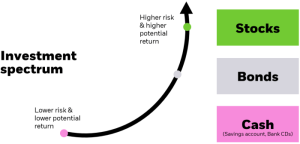
Asset allocation refers to the distribution of investments across various asset classes such as stocks, bonds, real estate, and cash equivalents within a portfolio. This strategy aims to balance risk and return by diversifying investments based on the investor’s goals and risk tolerance.
- Asset allocation strategies can be conservative, moderate, or aggressive, depending on the investor’s preferences and financial objectives.
- Professionals use modern portfolio theory to determine the optimal mix of assets that can provide the highest return for a given level of risk.
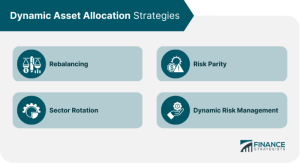
- Rebalancing is a crucial aspect of asset allocation, as it involves adjusting the portfolio’s weightings to maintain the desired asset allocation over time.
Overall, asset management focuses on the day-to-day management of investments, while asset allocation determines the overall investment strategy and risk management approach. By combining both disciplines effectively, investors can achieve a well-balanced portfolio that aligns with their financial goals and risk tolerance.
Features and Functions of Online Asset Management Platforms
Online asset management platforms offer a wide range of features to help users effectively track and manage their investments. These platforms are designed to simplify the process of managing assets and provide users with tools to make informed decisions about their portfolios.
Investment Tracking and Management
- Real-time updates on investment performance
- Consolidated view of all investment accounts
- Transaction history and trade confirmations
- Performance analytics and reporting tools
Diversifying Portfolios
- Recommendations for diversification based on user preferences
- Access to a wide range of investment options and asset classes
- Risk assessment and management tools
- Automated rebalancing to maintain desired asset allocation
Customization Options
- Ability to set investment goals and risk tolerance
- Personalized investment recommendations
- Customizable alerts and notifications
- Integration with other financial accounts and services
Security and Compliance in Online Asset Management Platforms
Online asset management platforms prioritize security to protect the sensitive financial information of users. They implement various security measures to ensure data protection and prevent unauthorized access to accounts.
Security Measures Implemented
- Multi-factor authentication: Users are required to provide multiple forms of verification before accessing their accounts, such as passwords, security questions, or biometric data.
- Encryption: Data transmitted between users and the platform is encrypted to prevent interception by unauthorized parties.
- Firewalls and intrusion detection systems: Platforms use firewalls and intrusion detection systems to monitor and block suspicious network activity.
Regulatory Compliance Requirements
- Platforms adhere to regulations such as the Securities and Exchange Commission (SEC) rules and guidelines to ensure compliance with financial laws.
- They also comply with anti-money laundering (AML) regulations to prevent illegal financial activities on their platforms.
Data Protection and Encryption
- Personal data is protected through encryption techniques such as Secure Sockets Layer (SSL) to safeguard information during transmission.
- Sensitive financial data is encrypted and stored securely to prevent data breaches and unauthorized access.
Industry Standards for Secure Transactions
- Online asset management platforms follow industry standards such as Payment Card Industry Data Security Standard (PCI DSS) to secure transactions and protect cardholder data.
- They also adhere to General Data Protection Regulation (GDPR) guidelines to ensure the privacy and security of user data.
In conclusion, online asset management platforms stand as pillars of modern financial management, providing security, convenience, and customization options that elevate your investment experience to new heights.
Key Questions Answered
What makes online asset management platforms stand out?
Online asset management platforms offer convenience, customization, and real-time tracking of investments, making them a game-changer in financial management.
How do online asset management platforms ensure data security?
These platforms implement stringent security measures such as data encryption and compliance with industry standards to safeguard user information.
Can online asset management platforms assist in portfolio diversification?
Yes, online asset management platforms provide tools and insights that help users diversify their investment portfolios effectively.