Best asset management firms sets the stage for this enthralling narrative, offering readers a glimpse into a story that is rich in detail, brimming with originality, and packed with essential insights.
Asset management plays a crucial role in financial planning, determining the success of investments and shaping future financial stability.
Best Asset Management Firms
When it comes to the top asset management firms globally, there are several key players that stand out in the industry. These firms are known for their expertise in managing assets and delivering strong returns for their clients. Let’s take a look at the top 5 asset management firms and the criteria used to determine their ranking.
Top 5 Asset Management Firms Globally
- BlackRock
- Vanguard Group
- UBS Group
- Fidelity Investments
- State Street Global Advisors
Criteria for Determining the Best Asset Management Firms
When evaluating asset management firms, several factors are taken into consideration:
- Performance: The ability of the firm to deliver consistent and strong returns for clients.
- Assets Under Management (AUM): The total value of assets managed by the firm.
- Reputation: The firm’s standing in the industry and among clients.
- Track Record: The historical performance of the firm and its investment strategies.
Importance of Reputation and Track Record
Reputation and track record play a crucial role in evaluating asset management firms. A strong reputation indicates trustworthiness and reliability, while a solid track record demonstrates the firm’s ability to generate returns over time. Clients often rely on these factors to make informed decisions when choosing an asset management firm to handle their investments.
Asset Management

Asset management plays a crucial role in financial planning by helping individuals and institutions effectively manage their investments to achieve their financial goals. Asset management involves overseeing a client’s investments, including buying and selling assets, monitoring performance, and providing recommendations for optimizing returns.
Types of Assets Managed by Asset Management Firms
Asset management firms typically manage a variety of asset classes, including:
- Equities (stocks)
- Bonds (government, corporate, municipal)
- Real Estate Investment Trusts (REITs)
- Mutual Funds
- Exchange-Traded Funds (ETFs)
- Commodities (gold, silver, oil)
These assets are diversified to reduce risk and maximize returns based on the client’s risk tolerance and investment objectives.
Benefits of Professional Asset Management
- Expertise: Asset management firms have skilled professionals who are experienced in financial markets and investment strategies.
- Diversification: Professional asset managers can create diversified portfolios to mitigate risk and enhance returns.
- Monitoring and Adjusting: Asset managers continuously monitor investments and adjust portfolios based on market conditions and the client’s goals.
- Access to Exclusive Opportunities: Asset management firms often have access to exclusive investment opportunities that may not be available to individual investors.
- Time-saving: By delegating investment decisions to professionals, clients can save time and focus on other aspects of their lives or businesses.
Professional asset management provides a comprehensive approach to managing investments, tailored to the client’s needs and financial objectives.
Asset Allocation
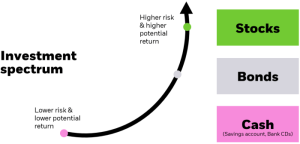
Asset allocation is the strategy of dividing an investment portfolio among different asset classes, such as stocks, bonds, and cash equivalents, to optimize risk and return based on an investor’s goals, risk tolerance, and time horizon. It plays a crucial role in achieving diversification and managing risk in an investment portfolio.
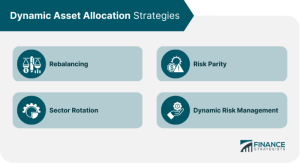
Different Asset Allocation Strategies
- Strategic Asset Allocation: This approach involves setting target allocations for various asset classes and periodically rebalancing the portfolio to maintain these targets. It is a long-term strategy based on the investor’s risk tolerance and investment goals.
- Tactical Asset Allocation: In this strategy, portfolio managers actively adjust asset class weights based on short-term market conditions, economic forecasts, and valuation metrics. This approach aims to capitalize on market inefficiencies and opportunities.
- Dynamic Asset Allocation: Dynamic asset allocation involves making strategic shifts in asset class weights based on changing market conditions, economic indicators, and other factors. It allows for flexibility in responding to market trends and potential risks.
Successful Asset Allocation Strategies and Their Impact
One example of a successful asset allocation strategy is the endowment model, commonly used by institutional investors like university endowments and foundations. This approach involves allocating a significant portion of the portfolio to alternative investments, such as private equity, real estate, and hedge funds, in addition to traditional asset classes.
By diversifying across a wide range of asset classes, the endowment model aims to achieve higher returns and lower volatility over the long term.
Another successful asset allocation strategy is the risk parity approach, which focuses on balancing risk contributions from different asset classes rather than traditional market capitalization weights. This strategy aims to achieve a more stable and consistent return profile by diversifying risk sources effectively.
In conclusion, Best asset management firms have a significant impact on investment success, emphasizing the need for careful evaluation and strategic decision-making in the financial realm.
FAQ Guide
What criteria are used to determine the best asset management firms?
The best asset management firms are evaluated based on factors like performance, reputation, client satisfaction, and expertise of the team.
What is asset allocation and why is it important?
Asset allocation involves distributing investments among different asset classes to achieve a balance of risk and return, crucial for long-term investment success.
How do professional asset management services differ from self-managing investments?
Professional asset management offers expertise, diversification, and ongoing monitoring, while self-managing investments require individual research and decision-making.