Exploring the concept of asset management portfolio diversification, this introduction sets the stage for a detailed examination of strategies to optimize investment portfolios, engaging readers from the outset with valuable insights and practical tips.
This paragraph will provide further details and context on the importance of diversification in asset management.
Asset Management Portfolio Diversification
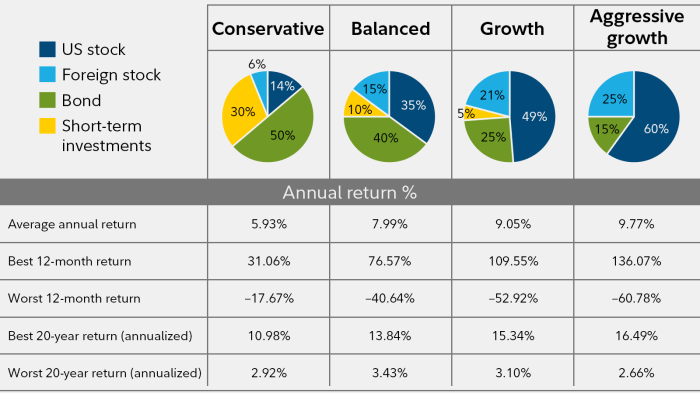
Portfolio diversification in asset management involves spreading investments across different asset classes to reduce risk and maximize returns. By including a variety of assets in a portfolio, investors can minimize the impact of any single asset’s performance on the overall portfolio.
Examples of Asset Classes for Diversified Portfolio
- Stocks: Equities of publicly traded companies.
- Bonds: Fixed-income securities issued by governments or corporations.
- Real Estate: Investments in properties or real estate investment trusts (REITs).
- Commodities: Physical goods like gold, oil, or agricultural products.
- Cash Equivalents: Short-term, low-risk investments like money market funds.
Importance of Diversification in Asset Management
Diversification is crucial in asset management as it helps to mitigate risk by not putting all eggs in one basket. Different assets perform differently under various market conditions, so a diversified portfolio can help balance out losses in one asset class with gains in another, thereby stabilizing overall returns.
Strategies for Effective Portfolio Diversification
- Asset Allocation: Determine the percentage of assets to allocate to each asset class based on risk tolerance and investment goals.
- Rebalancing: Regularly review and adjust the portfolio to maintain the desired asset allocation mix.
- Correlation Analysis: Choose assets that have low correlation to each other to further reduce risk.
- Diversifying Within Asset Classes: For example, investing in different industries within the stock market to spread risk.
Asset Allocation Strategies
Asset allocation is the process of spreading investments across different asset classes to achieve a balance between risk and return. It is a crucial component of portfolio management as it helps investors diversify their holdings and reduce overall risk exposure.
Strategic Asset Allocation vs. Tactical Asset Allocation
Strategic asset allocation involves setting a long-term target mix of assets based on an investor’s risk tolerance and investment goals. This strategy focuses on maintaining the desired asset allocation through periodic rebalancing. On the other hand, tactical asset allocation involves making short-term adjustments to the portfolio based on market conditions and opportunities. This strategy aims to capitalize on short-term market trends to enhance returns.
Role of Risk Tolerance and Investment Goals
Risk tolerance and investment goals play a crucial role in determining asset allocation strategies. Risk tolerance refers to an investor’s ability and willingness to withstand fluctuations in the value of their investments. Investors with a higher risk tolerance may opt for a more aggressive asset allocation with a higher proportion of equities, while those with a lower risk tolerance may prefer a more conservative approach with a higher allocation to bonds.
Investment goals, such as capital preservation, income generation, or capital appreciation, also influence the asset allocation decision.
Sample Asset Allocation Model
For a hypothetical investor with a moderate risk profile, a sample asset allocation model could consist of 60% equities, 30% bonds, and 10% cash or cash equivalents. This allocation balances the potential for growth from equities with the stability and income generation from bonds. Adjustments can be made based on the investor’s specific risk tolerance and investment objectives to create a personalized asset allocation strategy.
In conclusion, asset management portfolio diversification is a key element in achieving financial goals by balancing risk and returns effectively. This discussion has shed light on the significance of diversification in investment strategies, emphasizing its role in maximizing profitability while minimizing potential losses.
FAQs
What is the main goal of portfolio diversification?
The main goal of portfolio diversification is to reduce risk by spreading investments across different asset classes.
How does asset allocation contribute to effective portfolio management?
Asset allocation plays a crucial role in determining how investment funds are distributed among various assets to achieve financial objectives and manage risk.
What are some common strategies for effective portfolio diversification?
Common strategies include investing in a mix of asset classes, rebalancing portfolios regularly, and considering different risk profiles when allocating funds.