Commodities asset management sets the stage for this enthralling narrative, offering readers a glimpse into a story that is rich in detail and brimming with originality. This essential aspect of investment opens doors to a world of opportunities and risks that shape financial landscapes.
Commodities Asset Management
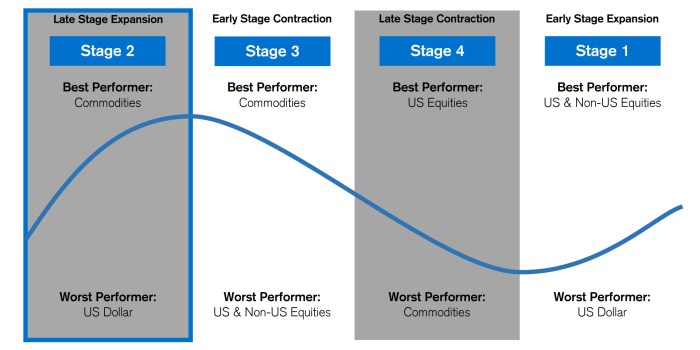
Commodities asset management involves the buying, selling, and holding of physical goods like gold, silver, oil, agricultural products, and other raw materials as a way to diversify and strengthen an investment portfolio.
Importance of Commodities in an Investment Portfolio
Commodities play a crucial role in an investment portfolio by acting as a hedge against inflation and currency fluctuations. They have a low correlation with traditional asset classes like stocks and bonds, providing diversification benefits and reducing overall portfolio risk.
Key Strategies for Managing Commodities as Assets
- Diversification: Spread investments across different commodity types to reduce risk.
- Utilize Exchange-Traded Funds (ETFs): Invest in commodity-related ETFs for easy access to the market.
- Active Monitoring: Stay informed about global economic factors that can impact commodity prices.
- Risk Management: Set stop-loss orders and establish clear exit strategies to protect against losses.
Risks Associated with Commodities Asset Management
- Price Volatility: Commodities prices can be highly volatile, leading to sudden and significant fluctuations in value.
- Supply and Demand Dynamics: Changes in supply or demand for a particular commodity can impact its price and investment returns.
- Geopolitical Events: Political instability, trade wars, and natural disasters can disrupt commodity markets and affect asset values.
Asset Management
Asset management involves overseeing a client’s investments and financial assets to achieve specific financial goals. It plays a crucial role in financial planning by optimizing the performance of these assets to generate maximum returns while managing risks effectively.
Traditional vs. Modern Approaches
Historically, traditional asset management focused on creating diversified portfolios of stocks, bonds, and other securities to achieve long-term growth. In contrast, modern approaches incorporate advanced technologies and data analytics to make more informed investment decisions. These approaches often include alternative investments like real estate, commodities, and private equity to enhance returns and minimize volatility.
Impact on Investment Performance
Effective asset management significantly impacts overall investment performance. By actively managing a portfolio, asset managers can adjust investments according to market conditions, economic trends, and individual risk profiles. This proactive approach can lead to higher returns and better risk management, ultimately helping clients achieve their financial objectives.
Asset Allocation
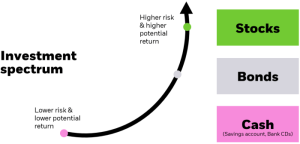
Asset allocation is the practice of spreading investments across different asset classes to manage risk and optimize returns based on an individual’s financial goals and risk tolerance.
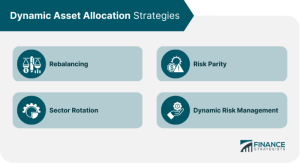
Examples of Asset Allocation Strategies
- Strategic Asset Allocation: This involves setting a target mix of assets based on long-term financial goals and maintaining that allocation through periodic rebalancing.
- Tactical Asset Allocation: Involves actively adjusting the asset mix to take advantage of short-term market opportunities or changing economic conditions.
- Dynamic Asset Allocation: This strategy involves continuously adjusting the asset mix based on market conditions and economic outlook.
Importance of Diversification in Asset Allocation
Diversification is crucial in asset allocation as it helps reduce overall portfolio risk by spreading investments across different asset classes, industries, and geographic regions. This can help mitigate the impact of market fluctuations on the portfolio.
Tips for Effective Asset Allocation
- Assess Risk Tolerance: Understand your risk tolerance level before allocating assets to ensure you can handle market fluctuations.
- Set Investment Goals: Define clear investment goals, whether it’s capital preservation, income generation, or long-term growth, to guide your asset allocation decisions.
- Consider Time Horizon: Align asset allocation with your investment time horizon, with longer timeframes allowing for a more aggressive allocation.
- Regularly Rebalance: Periodically review and rebalance your portfolio to maintain the desired asset allocation mix and adapt to changing market conditions.
In conclusion, commodities asset management is a crucial element in diversifying and optimizing investment portfolios. By understanding the concepts, strategies, and risks involved, investors can navigate the dynamic world of commodities with confidence and insight.
Questions Often Asked
What are the main risks associated with commodities asset management?
The main risks include price volatility, geopolitical factors, and supply chain disruptions.
How does asset management impact overall investment performance?
Effective asset management can enhance returns, minimize risks, and ensure a well-balanced portfolio.