Best asset management for retirement funds sets the stage for this enthralling narrative, offering readers a glimpse into a story that is rich in detail with casual formal language style and brimming with originality from the outset.
Asset management plays a crucial role in securing a stable financial future, especially when it comes to retirement planning. This guide delves into the intricacies of managing assets effectively for retirement funds, highlighting key strategies and considerations for optimal outcomes.
Best Asset Management for Retirement Funds
Choosing the right asset management strategy for retirement funds is crucial to secure a comfortable financial future. It involves selecting the most suitable investment options to ensure steady growth and income during retirement.
Top Asset Management Firms Specializing in Retirement Funds
Some of the top asset management firms known for specializing in retirement funds include:
- Vanguard
- Fidelity Investments
- Charles Schwab
- T. Rowe Price
- BlackRock
Key Factors to Consider When Choosing Asset Management for Retirement Funds
When selecting an asset management firm for retirement funds, consider the following key factors:
- Track record and reputation of the firm
- Fee structure and costs associated with the investments
- Investment options and diversification strategies
- Level of customer service and support provided
- Compatibility with your risk tolerance and retirement goals
Tips to Optimize Asset Management for Retirement Funds
Maximize returns on your retirement funds by following these tips:
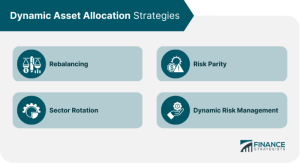
- Regularly review and rebalance your investment portfolio
- Consider tax-efficient investment strategies
- Start investing early and contribute consistently to your retirement accounts
- Seek professional advice from financial advisors specializing in retirement planning
Asset Management
Asset management plays a crucial role in financial planning, especially when it comes to retirement funds. It involves overseeing a client’s investments to maximize returns while managing risks and achieving financial goals.
Active vs. Passive Asset Management Strategies
Active asset management involves frequent buying and selling of securities in an attempt to outperform the market. On the other hand, passive asset management aims to mirror the performance of a specific market index. In the context of retirement funds, passive management tends to have lower fees and can be more tax-efficient, making it a popular choice for long-term investors.
Diversification in Asset Management
Diversification is a key strategy in asset management for retirement funds. By spreading investments across different asset classes, industries, and geographic regions, investors can reduce the impact of market fluctuations on their overall portfolio. This can help mitigate risk and potentially enhance returns over the long term.
Risk Management Strategies
Effective risk management is essential in asset management for retirement funds. Strategies such as asset allocation, periodic rebalancing, and setting clear investment objectives can help investors navigate market volatility and protect their savings. By diversifying investments and maintaining a long-term perspective, investors can better weather economic downturns and achieve their retirement goals.
Asset Allocation
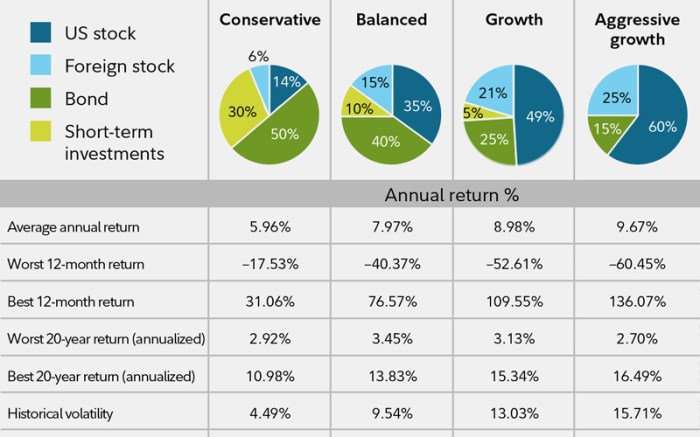
Asset allocation is a crucial strategy in retirement fund management that involves dividing investments among different asset classes to achieve a balance between risk and return based on an individual’s financial goals, time horizon, and risk tolerance.
Examples of Asset Classes for Retirement Fund Allocation
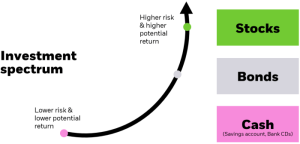
- Stocks: Provide growth potential but come with higher volatility.
- Bonds: Offer income and stability but usually lower returns compared to stocks.
- Real Estate: Can provide diversification and income through rental payments.
- Cash and Cash Equivalents: Offer liquidity and stability but lower returns.
Impact of Age and Risk Tolerance on Asset Allocation
- Younger investors can typically afford to take more risks and allocate a higher percentage to stocks for long-term growth.
- As investors near retirement, they may shift towards more conservative investments like bonds to protect their accumulated wealth.
- Individual risk tolerance plays a significant role in determining the allocation of assets, as some investors may be comfortable with higher volatility while others prefer stability.
Best Practices for Rebalancing Asset Allocation
- Regularly review your portfolio to ensure it aligns with your financial goals and risk tolerance.
- Rebalance your asset allocation periodically to maintain the desired risk-return profile, especially after significant market movements.
- Consider reallocating assets based on changes in your life circumstances, financial goals, or market conditions.
In conclusion, mastering the art of asset management for retirement funds is a vital component of financial planning. By implementing the right strategies and staying informed about market trends, individuals can navigate the complexities of retirement planning with confidence and secure their financial well-being for the years ahead.
Query Resolution
What are the benefits of diversification in asset management for retirement funds?
Diversification helps spread risk across various asset classes, reducing the impact of market volatility on the overall portfolio.
How can age and risk tolerance influence asset allocation decisions for retirement funds?
Younger individuals with higher risk tolerance can afford to allocate more funds to growth-oriented assets, while older individuals may opt for more conservative investments to preserve capital.
Why is asset allocation important in retirement fund management?
Asset allocation ensures a balanced portfolio that aligns with an individual’s financial goals, risk tolerance, and time horizon, optimizing returns while managing risk.