Embark on a journey towards securing your retirement with effective asset management. From understanding the importance of asset management to exploring different strategies, this topic delves into the key aspects of planning for your financial future.
Asset Management for Retirement Planning
Asset management plays a crucial role in retirement planning as it involves strategically managing various types of assets to ensure financial security during retirement years.
Types of Assets for Retirement Planning
There are different types of assets that can be managed for retirement planning, including:
- 1. Retirement Accounts: such as 401(k), IRA, or pension plans.
- 2. Stocks and Bonds: to build a diversified investment portfolio.
- 3. Real Estate: owning property as an investment for rental income or appreciation.
- 4. Savings Accounts: for emergency funds or short-term goals.
Role of Risk Management in Asset Management
Risk management is essential in asset management for retirement planning to protect investments from market volatility and unexpected events. By diversifying assets and considering risk tolerance, individuals can mitigate potential losses and secure their financial future.
Active vs. Passive Asset Management Strategies
Active asset management involves frequent buying and selling of assets to outperform the market, while passive management aims to replicate the performance of a specific market index. In the context of retirement planning, active management may incur higher fees and risks, while passive management offers lower costs and long-term stability.
Asset Allocation
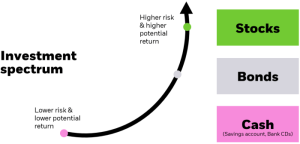
Asset allocation is a crucial component of retirement planning as it involves dividing your investment portfolio among different asset classes such as stocks, bonds, and cash equivalents to optimize returns while managing risk.
Determining Optimal Asset Allocation
Determining the optimal asset allocation for retirement portfolios involves considering factors such as age, risk tolerance, financial goals, and time horizon. A common rule of thumb is to subtract your age from 100 to determine the percentage of stocks in your portfolio, with the remainder allocated to bonds.
Diversification Strategies
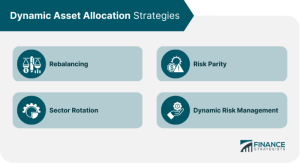
Diversification within asset allocation for retirement planning is essential to reduce risk. This can be achieved by investing in a mix of assets that have low correlation with each other, such as domestic and international stocks, real estate, and commodities. Rebalancing your portfolio periodically can help maintain the desired asset allocation.
Impact of Changing Market Conditions
Changing market conditions can have a significant impact on asset allocation decisions for retirement. During periods of market volatility, it may be necessary to adjust your asset allocation to align with your risk tolerance and investment goals. Regularly reviewing and adjusting your asset allocation based on changing market conditions can help you stay on track towards achieving your retirement objectives.
In conclusion, mastering asset management for retirement planning is crucial for ensuring a stable and prosperous future. By implementing the right strategies and staying informed about market conditions, you can pave the way for a comfortable retirement.
Common Queries
What is the importance of asset management in retirement planning?
Asset management plays a vital role in retirement planning by ensuring that your investments are well-maintained and optimized for future financial security.
How do changing market conditions impact asset allocation decisions for retirement?
Changing market conditions can affect asset allocation decisions by requiring adjustments to maintain a balanced and diversified portfolio in retirement planning.