With ESG (Environmental, Social, Governance) asset management at the forefront, this paragraph opens a window to an amazing start and intrigue, inviting readers to embark on a storytelling casual formal language style filled with unexpected twists and insights.
ESG asset management involves aligning investment decisions with environmental, social, and governance criteria to drive sustainable outcomes and financial returns. From eco-friendly investments to ethical business practices, ESG principles shape the future of asset management.
ESG Asset Management
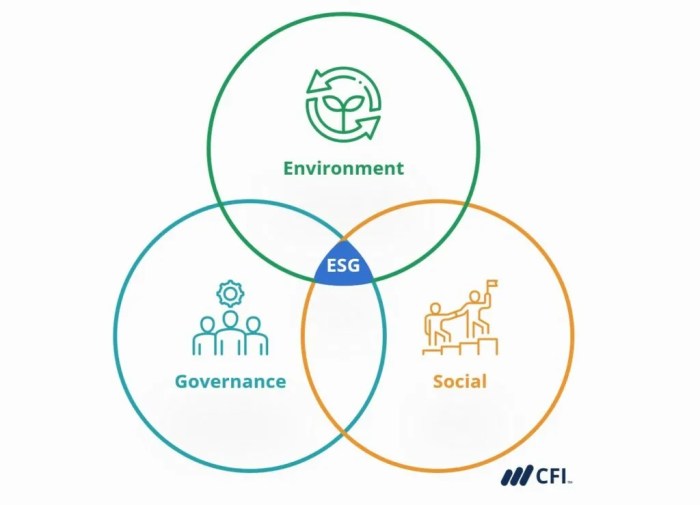
ESG asset management refers to the practice of incorporating environmental, social, and governance factors into investment decisions. This approach aims to not only generate financial returns but also to promote sustainable and responsible investing.
Examples of ESG Criteria
- Environmental criteria: This includes factors such as carbon emissions, renewable energy usage, and waste management practices of a company.
- Social criteria: This involves evaluating a company’s relationships with employees, customers, suppliers, and the community, as well as diversity and inclusion practices.
- Governance criteria: Governance factors assess the leadership structure, executive compensation, board diversity, and transparency of a company.
Importance of ESG Integration
Integrating ESG factors into investment decisions is crucial for several reasons:
- Enhanced risk management: ESG integration helps investors identify and mitigate potential risks related to environmental disasters, social controversies, or governance issues.
- Long-term sustainability: Companies that prioritize ESG considerations are more likely to create sustainable value over the long term, benefiting both investors and society.
- Positive impact: By investing in companies with strong ESG practices, investors can contribute to positive social and environmental outcomes while earning financial returns.
Environmental Factors in ESG
Environmental factors play a crucial role in ESG asset management, as they focus on assessing how a company impacts the environment through its operations. These factors are essential in evaluating the sustainability and long-term viability of an investment.
Renewable Energy Investment
Investing in renewable energy sources, such as solar or wind power, is a popular environmentally sustainable investment strategy. Companies involved in renewable energy production are often favored by ESG investors due to their positive impact on reducing carbon emissions and promoting clean energy.
Water Management Practices
Another important environmental factor considered in ESG is water management practices. Companies that implement efficient water usage strategies and prioritize water conservation are more likely to be attractive to ESG investors. This is crucial as water scarcity becomes a growing global concern.
Sustainable Agriculture Investments
Investing in companies that promote sustainable agriculture practices, such as organic farming or precision agriculture, is also a key strategy in ESG asset management. These practices help reduce the environmental impact of agriculture, such as chemical runoff and soil degradation, making them environmentally friendly investment options.
Social Factors in ESG
Social factors play a crucial role in ESG (Environmental, Social, Governance) asset management, focusing on the impact a company has on society beyond just financial returns. Evaluating social factors helps investors assess how a company interacts with its employees, customers, suppliers, communities, and other stakeholders.
Key Social Factors Evaluated in ESG Asset Management
- Diversity and Inclusion: Companies that promote diversity and inclusion in their workforce tend to perform better and have higher employee satisfaction.
- Human Rights: Respect for human rights throughout the supply chain is essential for sustainable and responsible business practices.
- Labor Practices: Fair wages, safe working conditions, and labor rights protection are vital considerations in social factor evaluation.
- Community Relations: Companies that engage positively with local communities and support social initiatives enhance their reputation and long-term sustainability.
Role of Social Responsibility in Asset Allocation
Social responsibility is increasingly becoming a critical factor in asset allocation decisions. Investors are recognizing that companies with strong social responsibility practices are more likely to mitigate risks, attract top talent, and build resilient relationships with stakeholders. By integrating social responsibility criteria into asset allocation strategies, investors can align their values with their financial goals.
How Social Considerations Influence Investment Strategies
Social considerations influence investment strategies by guiding investors towards companies that prioritize ethical practices, social justice, and sustainable growth. Incorporating social factors in investment decisions not only contributes to positive societal impact but also helps in identifying companies with long-term value creation potential. Investors seeking to align their portfolios with ESG principles often look for opportunities to support companies that demonstrate a commitment to social responsibility.
Governance in ESG
Effective governance is a crucial component of ESG asset management, ensuring that companies adhere to ethical practices and transparency in their operations.
Comparison of Governance Practices
When comparing governance practices in ESG investing to traditional asset management, we see a clear emphasis on factors such as board diversity, executive compensation tied to sustainability goals, and shareholder engagement in decision-making processes.
- ESG investing prioritizes board diversity, including gender and ethnic diversity, to ensure a variety of perspectives are considered in decision-making.
- Executive compensation in ESG investing is often linked to achieving sustainability targets, aligning the interests of executives with long-term environmental and social goals.
- Shareholder engagement plays a significant role in ESG investing, with investors advocating for greater transparency and accountability from companies regarding their ESG practices.
Impact of Strong Governance
Strong governance practices have a direct impact on investment performance in ESG asset management, leading to more sustainable and resilient portfolios.
Companies with robust governance structures are better equipped to manage risks and capitalize on opportunities related to environmental and social factors, ultimately driving long-term value for investors.
Asset Management Strategies
Asset management strategies that incorporate ESG principles play a crucial role in sustainable investing. By considering Environmental, Social, and Governance factors, investors can make informed decisions that not only benefit their portfolios but also contribute to positive change in the world.
Integration of ESG Factors
When integrating ESG factors into asset management strategies, investors analyze the environmental impact, social responsibility, and governance practices of companies. This approach helps in identifying sustainable investments that align with the values and goals of the investor.
Thematic Investing
- Thematic investing involves focusing on specific ESG themes such as clean energy, gender equality, or sustainable agriculture. By targeting these themes, investors can build a portfolio that reflects their values and supports impactful causes.
- Companies that are leading in ESG practices within these themes are selected for investment, allowing investors to support positive change while potentially benefiting from the growth of these sectors.
Impact Investing
- Impact investing goes beyond financial returns by emphasizing the measurable impact of investments on society and the environment. Investors actively seek opportunities that generate positive social or environmental outcomes alongside financial gains.
- Through impact investing, asset managers can support initiatives such as renewable energy projects, affordable housing developments, or community empowerment programs, creating a tangible difference in the world.
Risk Management
- ESG factors also play a crucial role in risk management within asset management strategies. By considering environmental risks like climate change, social risks such as labor practices, and governance risks like board diversity, investors can mitigate potential risks that may impact their portfolios.
- Engaging with companies on ESG issues and advocating for better practices not only reduces risk exposure but also promotes long-term sustainability and corporate responsibility.
Challenges and Opportunities
While ESG-focused asset management presents numerous opportunities for investors to align their values with their financial goals, it also comes with challenges. Some investors may face difficulties in measuring ESG impact, integrating ESG data into traditional investment processes, or navigating the rapidly evolving landscape of ESG regulations.
However, overcoming these challenges can lead to greater transparency, improved risk management, and enhanced long-term performance for investors committed to sustainable and responsible investing.
Asset Allocation
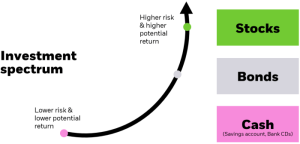
Asset allocation is the process of dividing an investment portfolio among different asset classes such as stocks, bonds, and cash equivalents. It is a crucial aspect of investment management as it helps in achieving the desired risk-return profile based on an individual’s financial goals and risk tolerance.ESG considerations play a significant role in asset allocation decisions as they focus on the environmental, social, and governance factors of a company.
Investors are increasingly incorporating ESG criteria into their investment strategies to align their portfolios with their values and beliefs while also mitigating risks associated with unsustainable practices.
Examples of Asset Allocation Models Prioritizing ESG Criteria
- Thematic Investing: This approach involves investing in companies that are focused on specific ESG themes such as clean energy, sustainable agriculture, or gender equality.
- Screening Strategies: Investors use negative or positive screens to exclude or include companies based on their ESG performance. For example, excluding companies involved in fossil fuels or including companies with strong diversity and inclusion practices.
- ESG Integration: Asset managers integrate ESG analysis into their traditional financial analysis to identify companies with strong ESG practices that may lead to long-term value creation.
In conclusion, ESG asset management emerges as a pivotal strategy reshaping the investment landscape by integrating sustainability and ethical considerations into financial decisions. As investors increasingly prioritize responsible investing, ESG principles are set to play a defining role in shaping the future of asset management.
Helpful Answers
What is ESG asset management?
ESG asset management involves incorporating environmental, social, and governance factors into investment decisions to promote sustainable and responsible investing practices.
How do ESG criteria impact asset allocation?
ESG criteria influence asset allocation by guiding investors towards companies that align with their values and exhibit strong sustainability practices.
What are some examples of socially responsible investment strategies?
Socially responsible investment strategies may involve investing in companies with diverse and inclusive workplaces or those that support community development initiatives.