Personal asset management services lay the foundation for a compelling journey, providing readers with a detailed glimpse into the world of effective asset management. From defining the services to exploring their benefits, this narrative is designed to captivate with its blend of clarity and insight.
As we delve deeper, we will uncover the various types of services available, the asset management process individuals undergo, and the strategies employed in asset allocation to achieve financial goals.
Introduction to Personal Asset Management Services
Personal asset management services involve professional assistance in managing an individual’s financial assets, investments, and other valuable possessions. These services aim to optimize wealth growth, minimize risks, and enhance overall financial well-being.
Importance of Managing Personal Assets Effectively
Effectively managing personal assets is crucial for ensuring financial stability, security, and future planning. By entrusting asset management to experts, individuals can benefit from tailored strategies, expert advice, and efficient decision-making processes.
Benefits of Using Asset Management Services
- Professional Expertise: Asset managers have specialized knowledge and experience to make informed decisions and maximize returns on investments.
- Diversification: Asset management services help in diversifying investments to reduce risks and optimize portfolio performance.
- Financial Planning: Asset managers assist in creating personalized financial plans, setting goals, and monitoring progress towards achieving them.
- Time-Saving: By delegating asset management tasks to professionals, individuals can save time and focus on other priorities in their lives.
- Risk Management: Asset managers employ risk mitigation strategies to protect assets and navigate volatile market conditions.
Types of Personal Asset Management Services

Personal asset management services come in various types, each catering to different needs and preferences of individuals. Let’s explore the different types available and compare traditional approaches with modern ones.
Traditional vs. Modern Approaches
When it comes to personal asset management, traditional approaches often involve working with financial advisors or using physical documents to track investments and assets. On the other hand, modern approaches leverage technology and digital platforms to provide real-time tracking, automated investment strategies, and personalized recommendations.
Examples of Companies or Platforms
- Wealthfront: Wealthfront is a modern asset management platform that uses algorithms to create personalized investment portfolios based on individual goals and risk tolerance.
- Fidelity Investments: Fidelity offers a mix of traditional and modern asset management services, including access to financial advisors, online trading platforms, and wealth management solutions.
- Personal Capital: Personal Capital combines traditional financial advisory services with modern digital tools to help individuals manage their assets, track investments, and plan for retirement.
Asset Management Process
When it comes to personal asset management, individuals typically follow a structured process to ensure their assets are properly assessed, planned for, implemented, and monitored. This process helps individuals make informed decisions about their financial resources and investments.
Assessing Personal Assets
Assessing personal assets involves taking stock of all the assets owned by an individual, including cash, investments, real estate, and personal property. This step helps individuals understand their current financial standing and net worth.
Planning for Asset Management
Once personal assets are assessed, individuals can begin planning for their management. This involves setting financial goals, creating a budget, and developing an investment strategy that aligns with their objectives and risk tolerance.
Implementing Asset Management Strategies
After planning, individuals can start implementing their asset management strategies. This may involve opening investment accounts, diversifying their portfolio, and making informed decisions about buying or selling assets based on market conditions.
Monitoring Asset Performance
Monitoring asset performance is an essential step in the asset management process. Individuals need to regularly review their investments, track their progress towards financial goals, and make adjustments as needed to ensure their portfolio remains aligned with their objectives.
Role of Technology in Asset Management
Technology plays a crucial role in streamlining the asset management process for individuals. With the help of financial apps, online platforms, and robo-advisors, individuals can track their assets in real-time, automate investment decisions, and access a wealth of financial information to make informed choices.
Asset Allocation Strategies
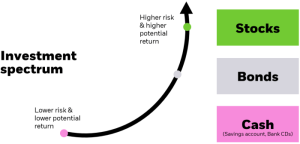
Asset allocation is a crucial concept in personal finance that involves dividing one’s investment portfolio among different asset classes such as stocks, bonds, real estate, and cash equivalents. The goal is to create a diversified portfolio that balances risk and return based on an individual’s financial goals, risk tolerance, and time horizon.
Types of Asset Allocation Strategies
There are several asset allocation strategies that individuals can utilize to optimize their investment portfolios:
- Strategic Asset Allocation: This strategy involves setting target allocations for various asset classes and periodically rebalancing the portfolio to maintain those allocations. It is based on long-term objectives and does not involve frequent changes based on market conditions.
- Tactical Asset Allocation: Unlike strategic asset allocation, tactical asset allocation involves making short-term adjustments to the portfolio based on market conditions or economic outlook. This strategy aims to capitalize on short-term opportunities and manage risks.
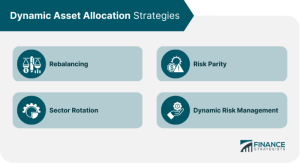
- Dynamic Asset Allocation: Dynamic asset allocation combines elements of both strategic and tactical asset allocation. It involves adjusting the portfolio based on changing market conditions, economic trends, and the investor’s risk appetite. The goal is to maximize returns while minimizing risks.
Benefits of Asset Allocation
Asset allocation can help individuals achieve their financial goals in various ways:
- Diversification: By spreading investments across different asset classes, individuals can reduce the impact of market volatility on their overall portfolio.
- Risk Management: Asset allocation helps in managing risk by balancing high-risk, high-return investments with lower-risk assets to achieve a desired level of risk tolerance.
- Optimizing Returns: Through asset allocation, individuals can potentially maximize returns by investing in a mix of assets that perform differently under various market conditions.
In conclusion, personal asset management services offer a strategic approach to nurturing and growing one’s wealth. By leveraging technology and sound financial practices, individuals can pave the way towards a secure financial future.
General Inquiries
What exactly are personal asset management services?
Personal asset management services encompass professional assistance in effectively managing and growing one’s assets to achieve financial goals.
How can asset management services benefit individuals?
By utilizing asset management services, individuals can gain expert guidance in optimizing their financial resources, leading to enhanced wealth growth and financial security.
What role does technology play in the asset management process?
Technology streamlines asset management processes by providing tools for tracking, analyzing, and managing assets efficiently, ultimately enhancing decision-making and performance.